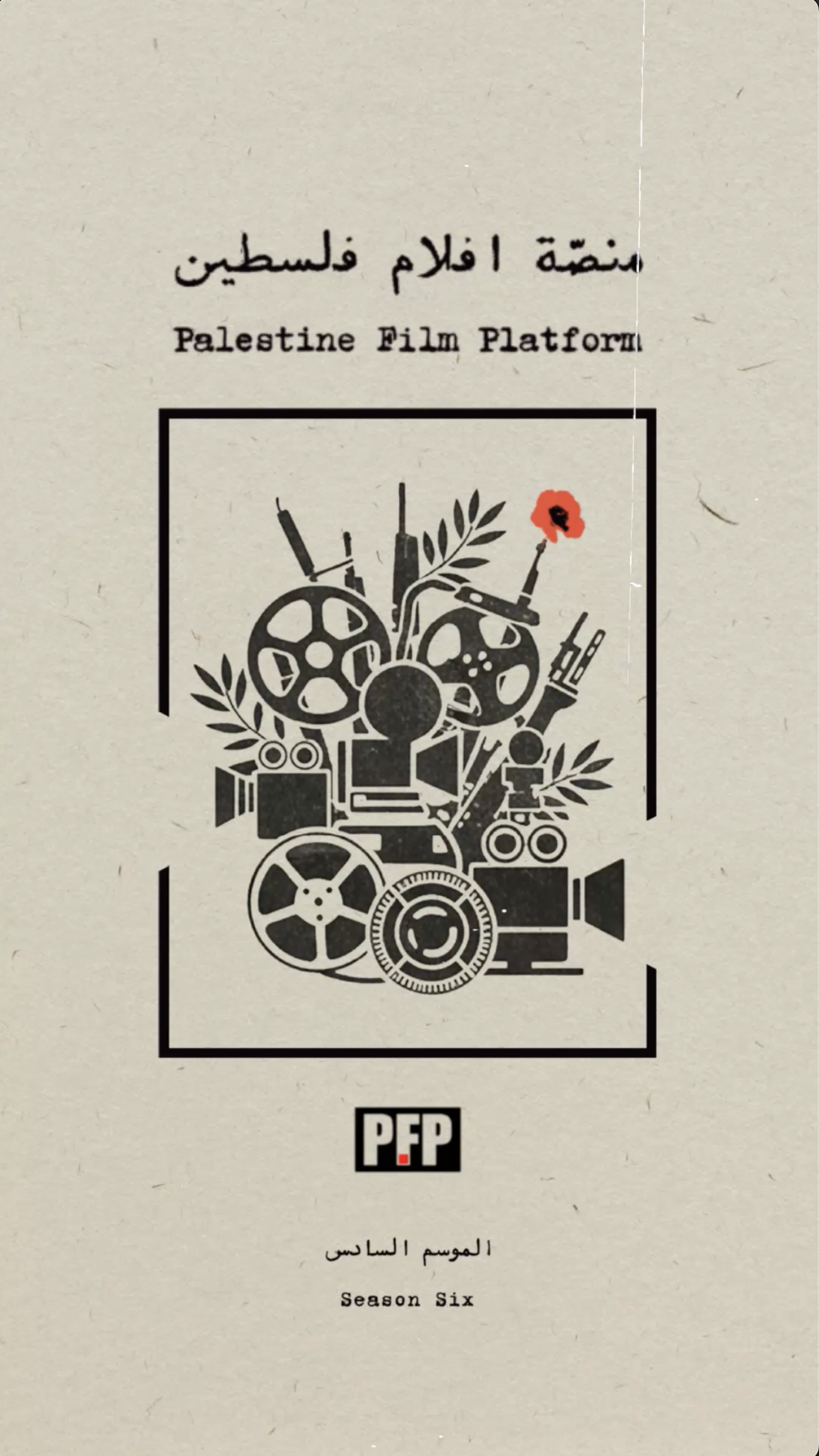
Since 2020, the PFI’s Palestine Film Platform has hosted the program Film of the Week for 6 months of the year. During this time a new film is launched every Wednesday at 5PM Jerusalem time and available for free during the week, worldwide.
In line with the Palestine Film Institute mission of developing, promoting, and preserving Palestine’s cinema, and to empower the film industry in Palestine and for Palestinians around the world, the new season is designed to celebrate the visions of established and emerging programmers, curators, collectives and filmmakers to program the next six months under the title: For a Cinema That Contributes to Liberating Man and Land.
Beginning on January 21st and running through August, 2026, Season 6 expands the frame through new guest curations every month, spotlighting powerful cinema about people and land, united in struggle across borders. The platform will host films old and new, of varying genres and lengths, drawn together through solidarity.
Each month, Cinematic Dialogues with filmmakers & guests will be shared to compliment the films, providing a space for in-depth discussions around Palestinian cinema and narratives of solidarity, past, present, and into the future. The PFP is committed to providing a free streaming platform for films that resist, reflect and inspire.